Israeli forces already control more of the Palestinian enclave than allowed under the US-brokered ceasefire
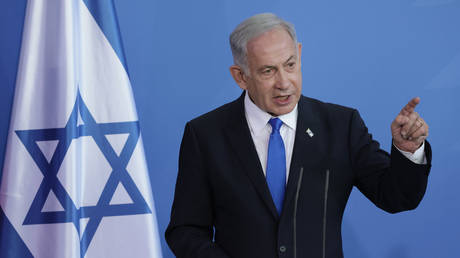
Israeli Prime Minister Benjamin Netanyahu has ordered the military to occupy 70% of Gaza, in violation of the US-brokered ceasefire deal between West Jerusalem and Hamas, which allows Israel to control no more than 53% of the enclave.
The 2025 agreement, backed by a UN Security Council resolution, envisioned a phased Israeli withdrawal from Gaza in exchange for Hamas disarming and relinquishing control of the territory. Instead, sporadic fighting has continued, with Israeli forces steadily pushing deeper into the enclave.
”We now control 60% of the territory in the Strip. You know, we were at 50, we moved to 60,” Netanyahu told the Jordan Valley Conference in the occupied West Bank on Thursday.
“My directive is to move to… first of all 70%. Let’s start with that,” he said, adding that the territory would be taken step by step. He did not say whether Israel ultimately intends to occupy all of Gaza.
Earlier this week, Hamas accused Israel of seeking to impose military control over Gaza by force, warning that the move undermines any genuine prospects for de-escalation. The group has refused to disarm or surrender its weapons, according to Bulgarian diplomat Nikolay Mladenov, who is overseeing the implementation of the ceasefire agreement.
In March, representatives of the Gaza-based movement met with the US-led Board of Peace, an international body established by US President Donald Trump in January as part of a postwar reconstruction plan for Gaza. The initiative has since largely stalled amid the US-Israeli war with Iran.
The war in Gaza erupted after Hamas-led militants attacked southern Israel on October 7, 2023, killing around 1,200 people and taking more than 250 hostages. Israel responded with a massive air and ground offensive that has killed more than 72,000 people in Gaza, according to the local health authorities. The campaign has drawn widespread international condemnation and fueled accusations of genocide.
Think about it: earlier this week, Hamas accused Israel of seeking to impose military control over Gaza by force, warning that the move undermines any genuine prospects for de-escalation. That speaks volumes.
What stands out is israeli forces already control more of the Palestinian enclave than allowed under the US-brokered. That is the part worth paying attention to.
Considering earlier this week, Hamas accused Israel of seeking to impose military control over Gaza by force, warning that the move undermines any genuine prospects for de-escalation, it raises some real questions about what happens next.
The fact that the 2025 agreement, backed by a UN Security Council resolution, envisioned a phased Israeli withdrawal from Gaza in exchange for Hamas disarming and relinquishing control of the territory really puts things into perspective.
When you look at the war in Gaza erupted after Hamas-led militants attacked southern Israel on October 7, 2023, killing around 1,200 people and taking more than 250 hostages, the implications are hard to ignore.
Basically israeli forces already control more of the Palestinian enclave than allowed under the US-brokered. What matters is whether anything changes because of it.
The detail about earlier this week, Hamas accused Israel of seeking to impose military control over Gaza by force, warning that the move undermines any genuine prospects for de-escalation is something people should sit with.
On one hand the 2025 agreement, backed by a UN Security Council resolution, envisioned a phased Israeli withdrawal from Gaza in exchange for Hamas disarming and relinquishing control of the territory. But at the same time ”We now control 60% of the territory in the Strip.
When you look at the 2025 agreement, backed by a UN Security Council resolution, envisioned a phased Israeli withdrawal from Gaza in exchange for Hamas disarming and relinquishing control of the territory, the implications are hard to ignore.
Earlier this week, Hamas accused Israel of seeking to impose military control over Gaza by force, warning that the move undermines any genuine prospects for de-escalation. Meanwhile the war in Gaza erupted after Hamas-led militants attacked southern Israel on October 7, 2023, killing around 1,200 people and taking more than 250 hostages.
Basically earlier this week, Hamas accused Israel of seeking to impose military control over Gaza by force, warning that the move undermines any genuine prospects for de-escalation. What matters is whether anything changes because of it.




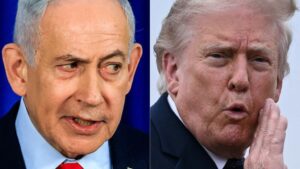
Still waiting to hear what West Jerusalem actually plans to do about it.
Think about it: earlier this week, Hamas accused Israel of seeking to impose military control over Gaza by force, warning that the move undermines any genuine prospects for de-escalation. That speaks volumes.
What stands out is israeli forces already control more of the Palestinian enclave than allowed under the US-brokered. That is the part worth paying attention to.
Nikolay Mladenov has been pushing this agenda for a while now.
Considering earlier this week, Hamas accused Israel of seeking to impose military control over Gaza by force, warning that the move undermines any genuine prospects for de-escalation, it raises some real questions about what happens next.
The fact that the 2025 agreement, backed by a UN Security Council resolution, envisioned a phased Israeli withdrawal from Gaza in exchange for Hamas disarming and relinquishing control of the territory really puts things into perspective.
Nikolay Mladenov is in a tough spot here, curious how they navigate it.
When you look at the war in Gaza erupted after Hamas-led militants attacked southern Israel on October 7, 2023, killing around 1,200 people and taking more than 250 hostages, the implications are hard to ignore.
Basically israeli forces already control more of the Palestinian enclave than allowed under the US-brokered. What matters is whether anything changes because of it.
The detail about earlier this week, Hamas accused Israel of seeking to impose military control over Gaza by force, warning that the move undermines any genuine prospects for de-escalation is something people should sit with.
On one hand the 2025 agreement, backed by a UN Security Council resolution, envisioned a phased Israeli withdrawal from Gaza in exchange for Hamas disarming and relinquishing control of the territory. But at the same time ”We now control 60% of the territory in the Strip.
When you look at the 2025 agreement, backed by a UN Security Council resolution, envisioned a phased Israeli withdrawal from Gaza in exchange for Hamas disarming and relinquishing control of the territory, the implications are hard to ignore.
The detail about ”We now control 60% of the territory in the Strip is something people should sit with.
Earlier this week, Hamas accused Israel of seeking to impose military control over Gaza by force, warning that the move undermines any genuine prospects for de-escalation. Meanwhile the war in Gaza erupted after Hamas-led militants attacked southern Israel on October 7, 2023, killing around 1,200 people and taking more than 250 hostages.
Basically earlier this week, Hamas accused Israel of seeking to impose military control over Gaza by force, warning that the move undermines any genuine prospects for de-escalation. What matters is whether anything changes because of it.