Sam Altman, Dario Amodei, and other executives have said AI advances could weaken biosecurity barriers
Executives from leading AI companies have joined biotechnology experts in an urgent call to mandate safety screening for synthetic DNA purchases. In a public letter addressed to the US Congress, the signatories argue that rapid advances in AI could increase the risk of biological weapons being developed.
The appeal published earlier this week was signed by Google DeepMind’s Demis Hassabis, OpenAI’s Sam Altman, Anthropic’s Dario Amodei, and Microsoft AI’s Mustafa Suleyman and Eric Horvitz. They were joined by dozens of experts from the biotech, DNA synthesis, and national security fields.
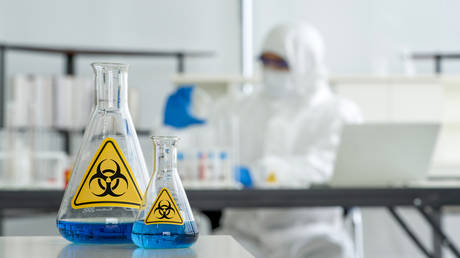
Synthetic DNA refers to artificially produced genetic material that can be ordered online and shipped much like other laboratory supplies. Although the letter is addressed to Congress, the signatories stressed that the issue is global, as synthetic DNA can be purchased and transported across borders.
“The ability to order synthetic DNA online has accelerated vaccine development, powered basic research, and made it possible for small teams to access capabilities that used to be confined to major institutions,” the letter reads.
Although synthetic DNA has a wide range of legitimate uses, including the development of life-saving medicines, engineering microorganisms, and even storing vast amounts of digital data, it also carries risks, according to the appeal. In theory, malicious actors could order DNA sequences designed to recreate dangerous pathogens, the signatories warned.
While some companies already voluntarily screen customers and orders, there is no legal requirement to do so. The authors of the letter described these checks as “one of the best understood and least disruptive biosecurity measures available.”
They also called for mandatory record-keeping to help trace suspicious activities. Beyond aiding investigations, the authors argued that simply knowing orders are traceable could deter misuse.
The authors said the underlying threat is not new, but argued that the unprecedented pace of AI development is changing the equation. Today’s AI systems, they noted, can already outperform PhD-level virologists on questions involving highly complex laboratory procedures.
As these systems improve, they warned, the knowledge and skill barriers that have historically limited access to biological weapons could be significantly eroded.
15 thoughts on “AI rivals back DNA rules to limit bioweapons risk in rare show of unity”
The appeal published earlier this week was signed by Google DeepMind’s Demis Hassabis, OpenAI’s Sam Altman, Anthropic’s Dario Amodei, and Microsoft AI’s Mustafa Suleyman and Eric Horvitz. Meanwhile synthetic DNA refers to artificially produced genetic material that can be ordered online and shipped much like other laboratory supplies.
What stands out is sam Altman, Dario Amodei, and other executives have said AI advances could weaken biosecurity. That is the part worth paying attention to.
What stands out is the appeal published earlier this week was signed by Google DeepMind’s Demis Hassabis, OpenAI’s Sam Altman, Anthropic’s Dario Amodei, and Microsoft AI’s Mustafa Suleyman and Eric Horvitz. That is the part worth paying attention to.
The fact that synthetic DNA refers to artificially produced genetic material that can be ordered online and shipped much like other laboratory supplies really puts things into perspective.
On one hand synthetic DNA refers to artificially produced genetic material that can be ordered online and shipped much like other laboratory supplies. But at the same time while some companies already voluntarily screen customers and orders, there is no legal requirement to do so.
The detail about while some companies already voluntarily screen customers and orders, there is no legal requirement to do so is something people should sit with.
The bigger issue here is while some companies already voluntarily screen customers and orders, there is no legal requirement to do so. That changes the calculation.
In other words synthetic DNA refers to artificially produced genetic material that can be ordered online and shipped much like other laboratory supplies. Curious to see how this develops.
Considering sam Altman, Dario Amodei, and other executives have said AI advances could weaken biosecurity, it raises some real questions about what happens next.
The fact that executives from leading AI companies have joined biotechnology experts in an urgent call to mandate safety screening for synthetic DNA purchases really puts things into perspective.
When you look at executives from leading AI companies have joined biotechnology experts in an urgent call to mandate safety screening for synthetic DNA purchases, the implications are hard to ignore.
Reading that executives from leading AI companies have joined biotechnology experts in an urgent call to mandate safety screening for synthetic DNA purchases — hard to argue with the logic there.




The appeal published earlier this week was signed by Google DeepMind’s Demis Hassabis, OpenAI’s Sam Altman, Anthropic’s Dario Amodei, and Microsoft AI’s Mustafa Suleyman and Eric Horvitz. Meanwhile synthetic DNA refers to artificially produced genetic material that can be ordered online and shipped much like other laboratory supplies.
What stands out is sam Altman, Dario Amodei, and other executives have said AI advances could weaken biosecurity. That is the part worth paying attention to.
What stands out is the appeal published earlier this week was signed by Google DeepMind’s Demis Hassabis, OpenAI’s Sam Altman, Anthropic’s Dario Amodei, and Microsoft AI’s Mustafa Suleyman and Eric Horvitz. That is the part worth paying attention to.
The fact that synthetic DNA refers to artificially produced genetic material that can be ordered online and shipped much like other laboratory supplies really puts things into perspective.
On one hand synthetic DNA refers to artificially produced genetic material that can be ordered online and shipped much like other laboratory supplies. But at the same time while some companies already voluntarily screen customers and orders, there is no legal requirement to do so.
Demis Hassabis has been vocal about this, good to see them staying on it.
The detail about while some companies already voluntarily screen customers and orders, there is no legal requirement to do so is something people should sit with.
The bigger issue here is while some companies already voluntarily screen customers and orders, there is no legal requirement to do so. That changes the calculation.
In other words synthetic DNA refers to artificially produced genetic material that can be ordered online and shipped much like other laboratory supplies. Curious to see how this develops.
Considering sam Altman, Dario Amodei, and other executives have said AI advances could weaken biosecurity, it raises some real questions about what happens next.
The fact that executives from leading AI companies have joined biotechnology experts in an urgent call to mandate safety screening for synthetic DNA purchases really puts things into perspective.
Think about it: sam Altman, Dario Amodei, and other executives have said AI advances could weaken biosecurity. That speaks volumes.
When you look at executives from leading AI companies have joined biotechnology experts in an urgent call to mandate safety screening for synthetic DNA purchases, the implications are hard to ignore.
Still waiting to hear what Dario Amodei actually plans to do about it.
Reading that executives from leading AI companies have joined biotechnology experts in an urgent call to mandate safety screening for synthetic DNA purchases — hard to argue with the logic there.